The Sensory Challenge: Overcoming the Metallic Roadblock
The modern functional food and beverage market is experiencing a significant shift as consumers increasingly seek products that offer tangible nutritional benefits without sacrificing sensory enjoyment. As manufacturers race to develop the next generation of health-conscious products, fortifying foods with essential minerals has become a standard industry practice. However, integrating these vital elements into daily consumables is rarely a straightforward process. When formulating products aimed at addressing widespread nutritional gaps, food scientists and product developers must carefully balance nutritional density with consumer acceptability. This delicate balancing act is especially prominent in the rapidly expanding sectors of functional drinks and daily dietary supplements, where the choice of base materials dictates the ultimate success of the product on retail shelves.
The Bottleneck of Traditional Iron Sources
During a recent product development consultation, a prominent beverage client approached our technical team with a very specific and common frustration. They were attempting to formulate a new line of iron-fortified functional waters and energy drinks, but every traditional iron source they tested resulted in an unpleasant, metallic aftertaste. This harsh sensory profile completely overpowered the delicate fruit and botanical notes they had spent months refining. Traditional water-soluble iron salts are notorious for causing this exact issue, as they readily dissociate in liquid environments and interact with flavor compounds, leading to astringency, color changes, and the oxidation of other sensitive vitamins. For a brand trying to build customer loyalty through great taste, this metallic flaw is a major roadblock that directly impacts consumer compliance and repeat purchase rates. If the product tastes like a rusty coin, consumers simply will not drink it, regardless of its nutritional label. This sensory rejection leads to high product abandonment rates and wasted marketing investments, making it imperative for developers to find a reliable alternative that respects the original flavor architecture of the beverage.
A Strategic Breakthrough: The Role of Ferric Pyrophosphate
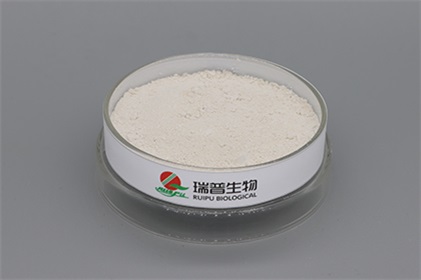
To resolve this critical formulation hurdle, our technical team recommended a strategic pivot toward Ferric Pyrophosphate as the primary iron source. Unlike highly reactive water-soluble salts, Ferric Pyrophosphate is a water-insoluble, microencapsulated or micronized iron compound that remains remarkably stable in aqueous environments. Because it does not readily dissociate into free iron ions in the liquid matrix, it completely bypasses the chemical reactions that typically cause that dreaded metallic taste and unpleasant color shifts. When the client reformulated their prototype using this specialized ingredient, the results were immediate and highly encouraging. The delicate flavor profile of their beverage remained entirely intact, and the liquid maintained its clear, appealing appearance over extended shelf-life testing. Additionally, modern processing techniques allow this compound to be micronized into extremely fine particles, which significantly enhances its bioavailability in the human digestive tract despite its initial insolubility. By selecting the right nutrient raw materials, the client was able to deliver a high-quality fortification level without triggering any of the negative sensory feedback associated with older iron technologies.
| Iron Source | Water Solubility | Sensory Impact | Color Stability | Absorption Enhancement |
|---|---|---|---|---|
| Ferrous Sulfate | High | Strong metallic taste | Poor | Direct dissolution |
| Ferrous Gluconate | High | Moderate metallic taste | Moderate | Direct dissolution |
| Ferric Pyrophosphate | Insoluble | Neutral taste | Excellent | Particle micronization |
The successful resolution of this taste issue highlights the broader application value of using advanced functional ingredients in modern food science. For B2B manufacturers, incorporating Ferric Pyrophosphate into their beverage ingredients or supplement raw materials portfolio offers tremendous formulation flexibility. In liquid systems like sports drinks, plant-based milks, and nutritional shakes, it provides excellent suspension stability and prevents the degradation of added vitamins like Vitamin C, which is often destroyed by reactive iron. Furthermore, when developing comprehensive application solutions for dry blends, gummies, or chewable tablets, this ingredient ensures a smooth mouthfeel without the gritty texture or bitter aftertaste that plagues cheaper alternatives. This versatility allows product developers to confidently expand their product lines into new categories, knowing that the nutritional integrity and sensory quality of their formulations are fully protected. It transforms a historically difficult fortification challenge into a seamless manufacturing process.
Redefining Market Success Through Quality Ingredients
Ultimately, the conversation around iron fortification has evolved from merely meeting daily value requirements to prioritizing the overall consumer experience. The client who initially struggled with the metallic taste is now successfully scaling up production, proving that the right ingredient choices can completely redefine a product’s market potential. As the industry continues to demand cleaner labels and superior taste profiles, sourcing high-quality, technologically advanced nutrient raw materials is no longer just an option, but a fundamental requirement for success. By leveraging stable, taste-neutral options like Ferric Pyrophosphate, manufacturers can confidently craft innovative, highly palatable functional foods and beverages that resonate with today’s discerning consumers and drive long-term brand growth.

Frequently Asked Questions
Traditional water-soluble iron salts are notorious for causing a harsh metallic aftertaste because they easily dissociate in liquid environments. When these free iron ions interact with flavor compounds and other sensitive ingredients, they trigger oxidation and astringency that completely overpowers the intended flavor profile.
This chemical reaction not only makes the drink taste like rusty metal but can also cause unappealing color changes over time. For beverage manufacturers trying to create enjoyable daily consumables, this sensory flaw is a massive roadblock that directly leads to consumer rejection and poor repeat purchase rates.
Ferric Pyrophosphate is a water-insoluble iron compound that remains remarkably stable when suspended in aqueous environments like drinks and liquid supplements. Because it does not readily break down into free iron ions, it completely bypasses the chemical reactions that typically cause that dreaded metallic taste and unpleasant color shifts.
Modern processing techniques also allow this ingredient to be micronized into extremely fine particles for better suspension and absorption. This means your beverage keeps its delicate fruit or botanical notes entirely intact while still delivering the essential nutritional benefits your customers are looking for.
This ingredient is incredibly versatile and works beautifully in dry application solutions like powder blends, chewable tablets, and gummy supplements. Its stable nature ensures a remarkably smooth mouthfeel without introducing the gritty texture or bitter aftertaste that often plagues cheaper iron alternatives.
When formulating these solid or semi-solid formats, you can confidently maintain a clean label and superior sensory quality. The fine particle size integrates seamlessly into the matrix, allowing you to hit your target fortification levels of 10 to 15 milligrams per serving without compromising the final product’s taste or texture.
It is a common misconception that water-insoluble iron sources are poorly absorbed by the human body compared to their highly reactive counterparts. Thanks to advanced micronization technologies, Ferric Pyrophosphate is broken down into microscopic particles that significantly enhance its bioavailability in the digestive tract.
Once it reaches the stomach, the natural gastric acids efficiently break down these fine particles for optimal absorption. This allows manufacturers to deliver high-quality, effective nutritional fortification that meets daily value requirements while completely protecting the sensory experience of the food or beverage.