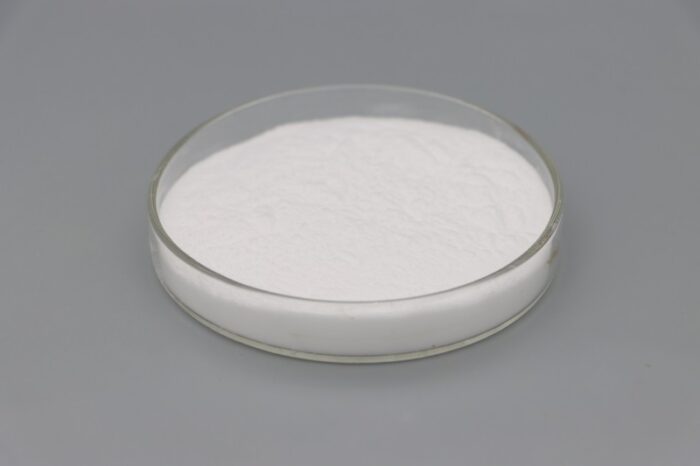
In this issue, we introduce a new calcium fertilizer raw material specially designed for manufacturers of water-soluble and foliar fertilizers—OACT Chelated Calcium—which solves many of the pain points of traditional calcium fertilizers, balancing compliance, stability, and absorption efficiency, providing a one-stop solution for calcium fertilizer selection.
1. Core Product Indicators
| Project | Indicators | Project | Indicators |
| Content | Calcium ≥ 12% | pH range | 4.0-6.0 |
| Solubility | 20g/100ml | Compatibility | Compatible with potassium dihydrogen phosphate and potassium sulfate |
| Product appearance | Light yellow powder |
2. Core Advantages
1. Organic acid chelation technology, providing both calcium and nutrient supplementation
OACT is a new process that chelates metal ions from various small molecule organic acids. Organic acids themselves participate in plant physiological metabolism, regulate crop growth and development, and enhance crop calcium absorption. The two complement each other, supplementing calcium while additionally improving crop vigor and stress resistance, achieving a “1+1>2” effect.
2. Strong compatibility with mixed combinations, eliminating calcium-phosphorus antagonism
The main challenge with calcium fertilizer blending is the formation of precipitation when it meets phosphate and sulfate fertilizers. Thanks to its stable organic acid chelation structure, OACT calcium can be reliably mixed with mainstream fertilizers such as potassium dihydrogen phosphate and potassium sulfate. Therefore, it can be added to high-element water-soluble fertilizers, functional foliar fertilizers, organic fertilizers, or microbial fertilizers, greatly reducing formulation debugging difficulty and improving product stability.
3. Medium chelation strength, with more effective plant absorption
Chelated calcium is not “better the stronger the chelation”: if EDTA chelates too strongly, calcium ions are difficult to dissociate into crops, and EDTA is difficult to degrade in soil, which does not align with green agriculture trends;
Sugar alcohols and amino acids have weak chelation strength and are easily fixed in soil. Effective calcium reaching roots is low, and foliar spraying is also prone to environmental decomposition. OACT calcium is designed with medium chelation strength, maintaining structural stability and not being fixed in soil and fertilizer solution, while also allowing calcium ions to be smoothly decomposed and released within the plant, which is efficiently absorbed and utilized by crops, balancing stability and absorption efficiency. At the same time, the product is a purely organic chelation system that degrades after being applied to soil, meeting the needs of green and organic agriculture.
3. Detailed Effects: Organic acids + calcium, dual synergistic effect to improve quality and increase yield
▶ The core role of small molecule organic acids
Activates soil nutrients: Can complex fixed trace elements such as calcium, magnesium, and zinc in the soil, improving nutrient efficiency and reducing fertilizer waste;
Stimulates root growth: promotes the development of meristem at crop root tips, increases the number of root hairs and root vitality, and enhances the plant’s ability to absorb water and nutrients from the root;
Enhances stress resistance: participates in crop osmotic regulation, enhances drought, cold, and salt-alkali resistance, alleviates phytotoxicity and fertilizer damage, and helps crops quickly recover growth;
Synergistic growth and efficiency enhancement: Provides carbon sources for beneficial soil microorganisms; combined with microbial fertilizers, it can enhance microbial activity and achieve synergistic effects of fungi and fertilizers.
▶ The core value of calcium
Prevention and control of physiological diseases: can prevent common calcium deficiency physiological diseases such as tomato navel rot, apple bitter pox, citrus peel, grape cracking, and heartburn from dried cabbage;
Improves fruit quality: thickens cell walls, increases fruit hardness and surface gloss, reduces damage during storage and transportation, and extends shelf life and freshness period;
Robust plant growth: stabilizes cell membrane structure, reduces pathogen infection, enhances crop lodging and disease resistance, and reduces premature aging;
Coordinating nutrient absorption: Regulate the pace of crop uptake of nitrogen, potassium, and other nutrients, balance vegetative and reproductive growth, and prevent excessive growth.