Among your peers making water-soluble fertilizers, have you ever made a pitfall with boron raw materials?
To control costs, choosing low-priced boric acid and borax results in either bloating and bloating, or moisture-absorbing and caking during storage; Or the finished product dissolves slowly in cold water and contains many impurities. What seems like saving a few cents on raw material costs actually hides several times the loss in after-sales compensation and customer loss.
In this issue, we share the characteristics of several boron raw materials to help you purchase products that are worry-free in production testing, safe for farmers to use, and stable for crop performance.
1. Why is boron a core element that cannot be omitted in water-soluble fertilizer?
1. The core physiological role of boron in plants
● Regulates reproductive development and preserves flowers and fruits as the core of the process
Boron can promote flower bud differentiation, pollen germination, and pollen tube elongation. It is a key element for flowering and fruit set, directly determining fruit set rate and the probability of malformed fruit.
● Supports cell division and elongation
Boron participates in the formation and elongation of cell walls, which not only supports crop root growth and improves water and nutrient absorption, but also ensures normal fruit enlargement and reduces deformed and frozen fruits.
● Promotes carbohydrate transport and improves fruit quality
Boron can regulate the synthesis and transport of sugars within crops, allowing photosynthetic products to be efficiently transported from leaves to fruits and grains, improving fruit sugar content, uniformity, and single fruit weight, ultimately boosting crop yield and marketability.
● Enhances crop stress resistance
Boron can enhance crops’ drought, cold, and disease resistance, while also regulating stomatal opening and closing to reduce flower and fruit drop under adverse conditions.
2. Typical manifestations of crop boron deficiency
· Leaf symptoms: New leaves thicken and become brittle, deformed, and wrinkled, with yellowing between veins; in severe cases, leaves become scorched and fall off;
· Flower and fruit symptoms: few flower buds, severe flower and fruit drop, low fruit set rate, and symptoms such as “flowers without fruit, pods without grains”;
· Fruit symptoms: fruit deformities, corking, peel cracking, such as apple fruit shrinkage disease, citrus stone fruit, celery stem cracking disease;
· Root symptoms: Roots are short and thick, growth stagnates, with few root hairs. In severe cases, root necrosis and a significant decline in water and nutrient absorption capacity.
2. Comparison of common boron raw materials on the market
Many manufacturers select boron raw materials based only on unit price and content, neglecting core indicators that directly affect production and finished product performance, such as solubility, compatibility, and stability. The differences between different boron raw materials go far beyond just price:
3. Core Advantages of Sodium Tetraborate Tetrahydrate
1. Core Technical Indicators
| Project | Indicators | Project | Indicators |
| Content | Boron ≥ 20.5% | pH value | 7.0-9.0 (neutral to alkaline) |
| Solubility | 20g/100ml (cold water) | Screen pass rate | 98.7% per 100 mesh |
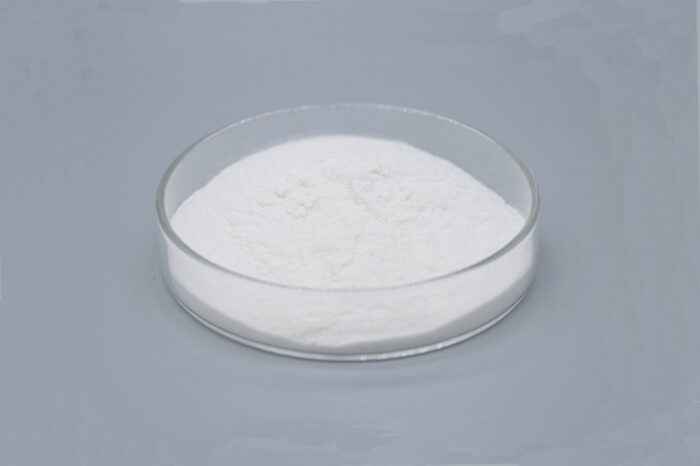
| Appearance | Pure white uniform powder |
2. Four major technological advantages
(1) High-tower spray drying process with high purity and uniform nutrient distribution
The raw materials are simultaneously dried and molded in a atomized state, resulting in high powder purity, no impurities, and uniform nutrient content.
(2) Special synthetic process, zero gas and no moisture absorption
Special processing process, free of carbonate impurities, mixed with acidic raw materials (potassium sulfate, ferrous sulfate, etc.) does not cause gas reactions; Low moisture absorption, suitable for both northern and southern regions.
(3) Wide compatibility and compatibility with multiple types of water-soluble fertilizer formulas
Can be properly mixed with major elements such as potassium nitrate and potassium dihydrogen phosphate; Suitable for foliar fertilizer, flush fertilization, drip irrigation, and macroelement water-soluble fertilizers, offering highly flexible formulation design.
(4) Excellent dispersion, making production and packaging more worry-free
. The powder flows well, does not generate dust or stick to walls, and is less likely to block or jam during production feeding and automatic packaging. This not only optimizes the workshop production environment but also reduces material loss during production.